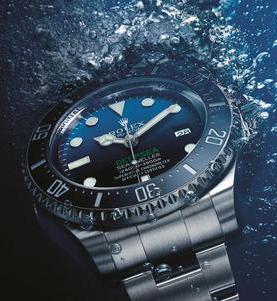
Taking your watch for a swim might seem simple, but it’s a decision that can have costly consequences. A beautiful timepiece is an investment, and understanding how it interacts with water is crucial to protecting it. Many owners have learned the hard way that a “water-resistant” label doesn’t mean a watch is invincible against the elements.
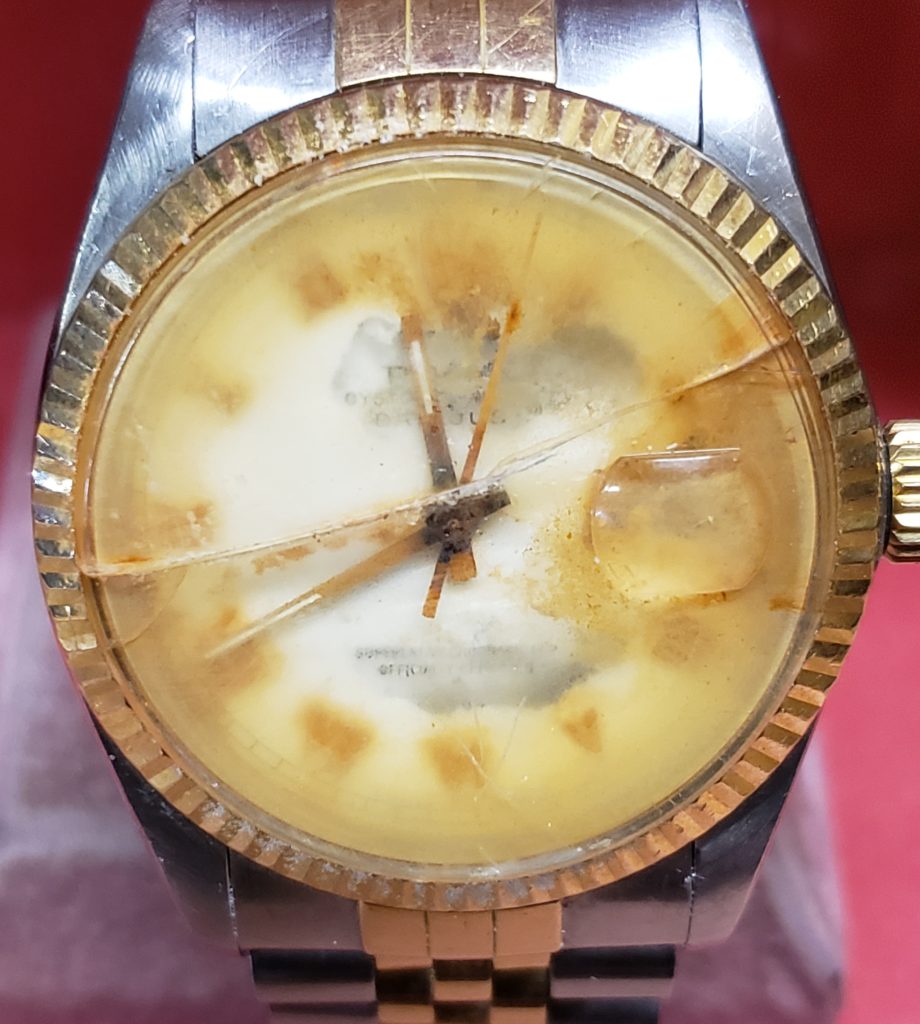
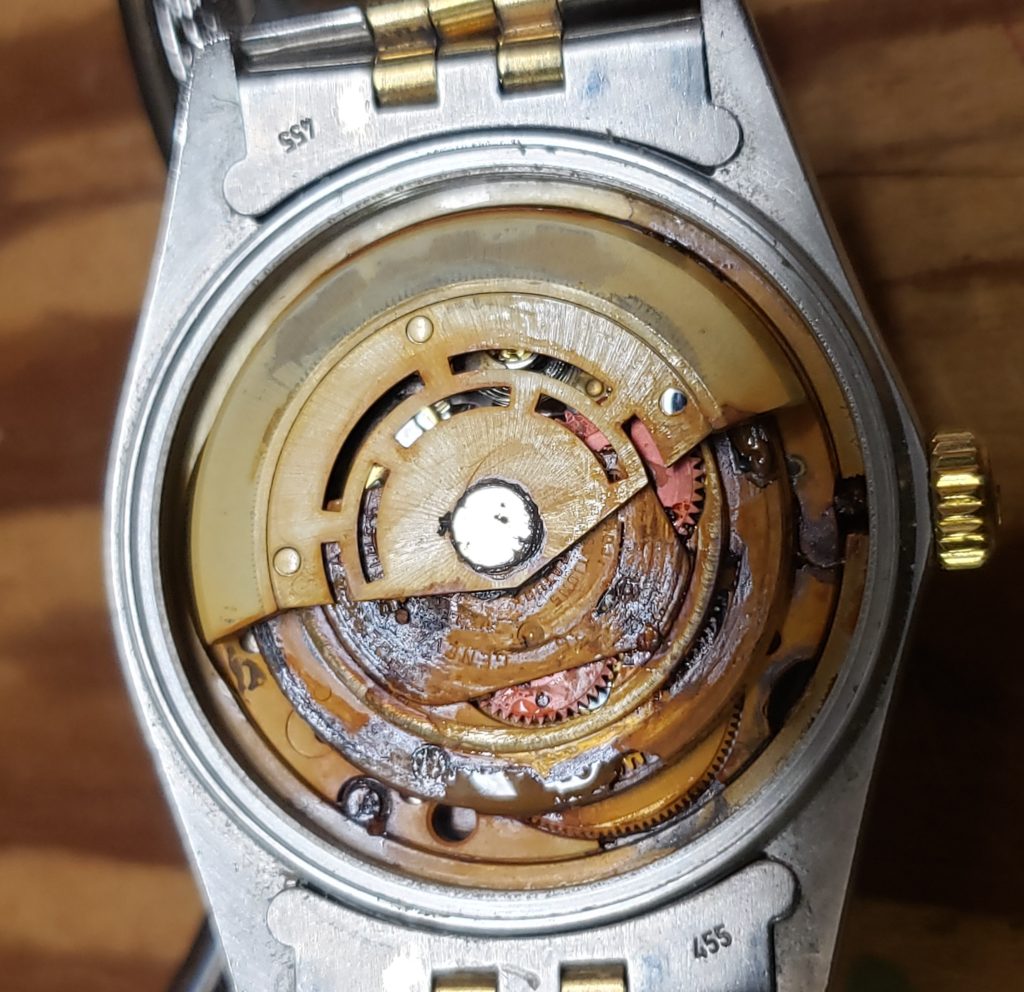
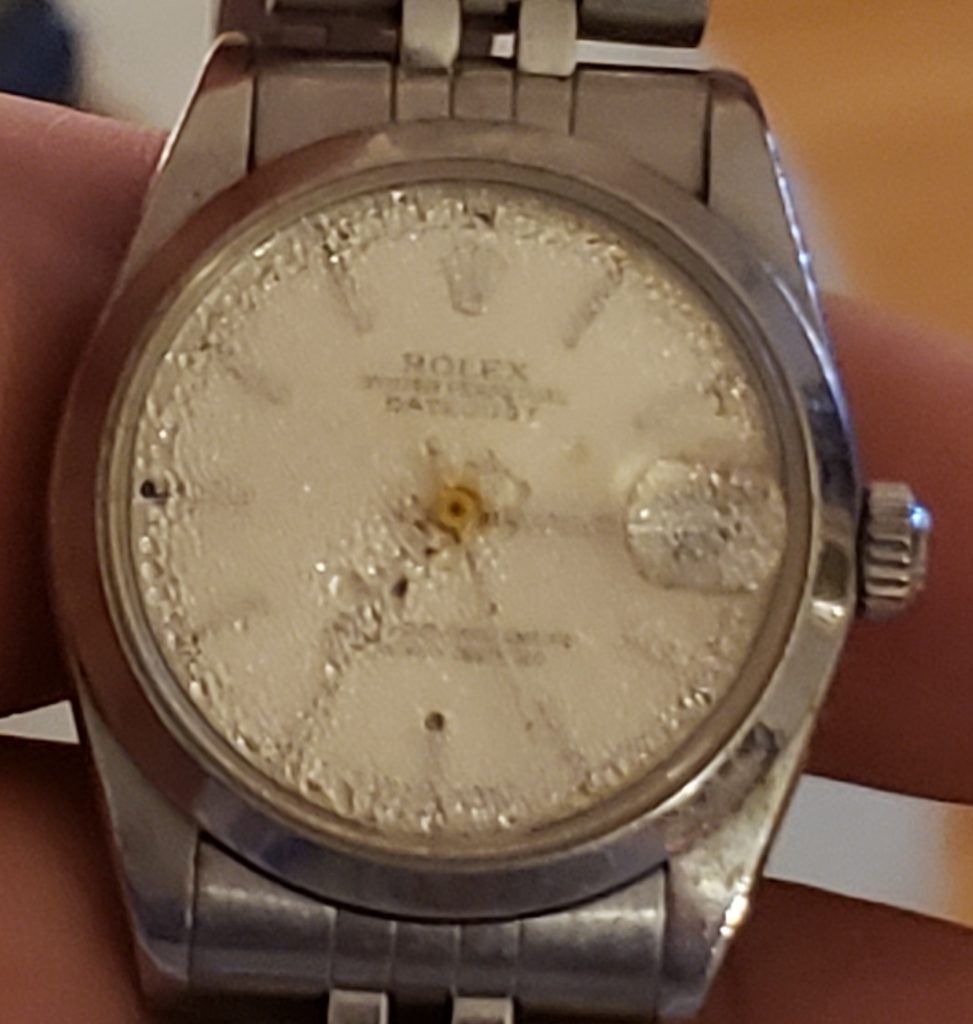
The risk of wearing your watch in water without the right knowledge is significant. A single mistake — like forgetting to screw down the crown or misunderstanding its depth rating — can lead to moisture getting inside the case. This can cause the internal mechanisms to rust, the dial to become stained, and ultimately lead to expensive repairs or even ruin the watch entirely.
Water damage is one of the most common — and preventable — issues that watchmakers see.
This article will guide you through the essential things you need to know before getting your watch wet. We’ll cover how to interpret water-resistance ratings, clarify the difference between “water-resistant” and “waterproof,” explore the real-world consequences of misuse, and provide best practices to keep your watch safe. By the end, you’ll be able to confidently and responsibly enjoy your watch in and around water.
1. Know Your Watch’s Water-Resistance Rating
Before you even think about taking your watch near a pool, you need to understand its water-resistance rating. This rating is typically marked on the dial or the case back and is expressed in meters (m) or atmospheres (ATM).
| One atmosphere (1 ATM) is equivalent to 10 meters of static water pressure. |
What the Ratings Really Mean
These numbers can be misleading. A watch rated to 30 meters is not designed for a 30-meter dive. The ratings are based on static pressure tests done in a controlled lab environment, which doesn’t account for the dynamic pressure created by movement, like swimming or diving.
Here’s a general guide to what these ratings mean for real-world activities:
- 30 m / 3 ATM: Splash-resistant. This watch can handle rain or accidental splashes but should not be submerged.
- 50 m / 5 ATM: Suitable for light swimming in shallow water but not for diving or watersports.
- 100 m / 10 ATM: Safe for swimming, snorkeling, and other surface water sports. This is generally the minimum rating for a watch you plan to swim with regularly.
- 200 m / 20 ATM: Suitable for recreational scuba diving. These are often considered “diver’s watches.”
- 300 m / 30 ATM and beyond: Designed for professional deep-sea diving activities.
Resource: Confused by these terms? Check out our glossary here!
It’s crucial to remember that a water-resistance rating isn’t permanent. The rubber gaskets and seals that protect your watch from water degrade over time due to age and exposure to chemicals like chlorine or lotions. This means a watch’s resistance can decrease, making regular maintenance key.
2. Water-Resistant vs. Waterproof: What’s the Difference?
You might see the terms “water-resistant” and “waterproof” used interchangeably, but in the world of watches, they mean very different things.
In fact, the term “watch waterproof” is now considered misleading and is disallowed for marketing watches in many countries, including the United States, by the Federal Trade Commission.
The reason is simple: no watch is truly waterproof forever. All watches have limits, and under certain conditions — extreme pressure, aging seals, or physical damage — they can leak.
The term “water-resistant” is a more accurate description, indicating that a watch is designed to resist water ingress up to a specific, tested limit.
When you see “water-resistant,” look for the specific rating (e.g., 50m, 100m) to understand which activities it can safely handle. If a watch is simply labeled “water-resistant” without a depth rating, you should treat it as only splash-proof.
Understanding this distinction helps set realistic expectations for wearing your watch in water and prevents you from assuming it’s invulnerable.
3. The Consequences of Misusing Your Watch in Water
Ignoring your watch’s limitations can lead to serious and often irreversible damage. When water gets inside a watch, it can wreak havoc on the delicate internal movement.
What Can Go Wrong?
- Water ingress: The most obvious problem. You might see condensation under the crystal, which is a clear sign that a seal has failed.
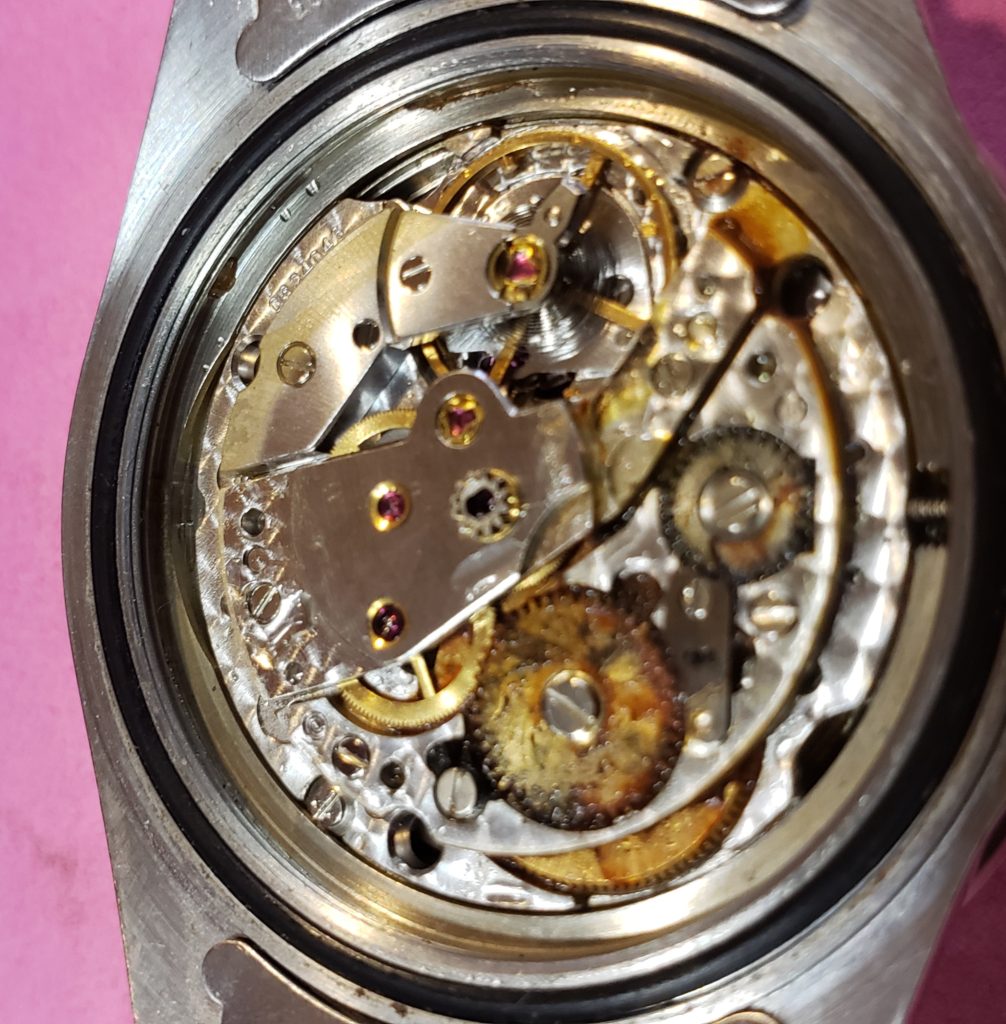
- Movement damage and rust: The tiny, intricate metal parts of a watch’s movement are not designed to get wet. Moisture can cause these components to rust and corrode, leading to the watch running inaccurately or stopping altogether. The potential for rust in a watch is a major concern.
- Seal failure: Pushing buttons or adjusting the crown while your watch is underwater can compromise the seals and allow water to enter, even on a highly-rated dive watch.
Common examples of misuse include diving deeper than the watch is rated for:
- Wearing it in a hot tub: The high temperature can cause seals to expand and fail.
- Failing to rinse it with fresh water after swimming in the ocean: Saltwater is particularly corrosive and can cause a rust watch if left to dry on the case and bracelet.
Such misuse will almost certainly shorten your watch’s lifespan and can void its warranty.
4. Best Practices for Wearing a Watch in Water
Protecting your watch is straightforward if you follow a few simple rules. These practices will help ensure your timepiece remains reliable and damage-free.
Before You Get Wet
Always double-check that the crown is fully screwed down or pushed in. The crown is the most common point of water entry, and leaving it open is an open invitation for damage.
While in the Water
Avoid operating any of the watch’s functions. This means no pushing the chronograph buttons and no unscrewing the crown to change the time or date while the watch is submerged. Doing so can break the seal and allow water inside.
After Water Exposure
Rinse your watch thoroughly with fresh water, especially after it has been in salt or chlorinated water. This simple step removes corrosive salt and chemicals. Once rinsed, dry it completely with a soft cloth.
Finally, remember that regular servicing is key. Gaskets and seals wear out. It’s a good practice to have your watch’s water resistance tested by a professional every couple of years, or whenever the battery is changed, to ensure its seals are still intact.
Protect Your Investment
Understanding your watch’s capabilities and limitations is the best way to protect your investment. By knowing its water-resistance rating, respecting the difference between “water-resistant” and “waterproof,” and following best practices, you can prevent damage and ensure your timepiece performs reliably for years.
A well-informed owner can wear their watch in water with confidence, knowing they are doing so responsibly.
How The Watch Doctor Can Help
The Watch Doctor is here to ensure your timepiece remains in top condition. Whether you need seal replacements, rust cleaning, or professional advice on maintaining your watch, our expert services are designed to protect your investment.
Trust the Watch Doctor to keep your watch performing at its best, so you can enjoy it with peace of mind for years to come.

Mark Sirianni
25 Fraley St.
Kane, PA. 16735
watchdoctorpa@gmail.com
1-814-558-4818 Cell
1-814-837-9435
Charley
2012-2024